

FACES
Doctors Said Olivia Rush Would Never Dance Again. She Built a Movement Instead
A traumatic brain injury at 14 ended Olivia Rush’s dance career on paper. Instead, the Los Angeles dancer and choreographer turned her own survival into Dance to Make a Change, a nonprofit giving young people a safe place to keep going.

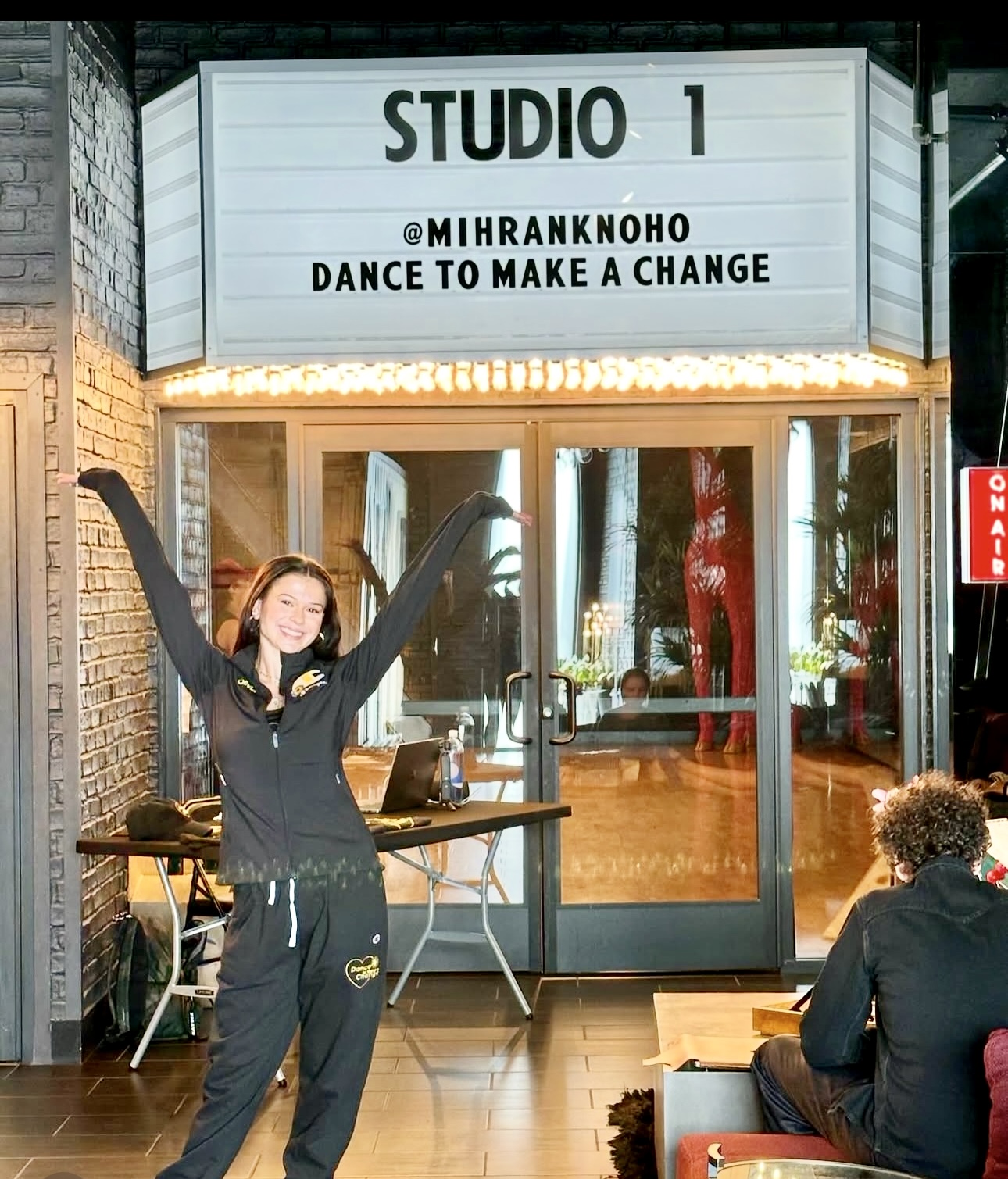
Olivia Rush grew up in the shadow of hospital corridors. Her father became sick and disabled when she was six, her oldest sister fought terminal cancer, and grandparents were gone by the time she was ten. Through all of it, dance was the safe place. Then the safe place turned on her: bullied in the industry, she suffered a traumatic brain injury just after her 14th birthday, and doctors told her she would never dance again. More than a year of therapy brought little back. Her mother pushed her toward the studio anyway, and dance reached a part of her that therapy had not.
From Survival to Sunshine
Rush has lived with depression, anxiety, eating disorders and body dysmorphia, and she speaks about her darkest chapters with rare honesty, because she knows who is listening. After sharing her story publicly at DancerPalooza, messages poured in from strangers who saw themselves in it. Within a week she had created Sunshine Loves You, an anonymous peer-support project. At 17 she taught a free donation dance class in New York City, more than 30 people showed up, and Dance to Make a Change was born: a nonprofit using dance as a safe, peer-led space for mental health and suicide prevention.
Three Tries to Reach Los Angeles
Getting to LA took three attempts and nearly everything she had: her mother in intensive care with COVID pneumonia, the family home burning down, her father’s stroke, a year of displacement. She arrived alone in November 2023, met a roommate and signed a lease the same day. Today the work continues, and so does her favorite story: a stranger once thanked her for simply asking, “Are you okay?”, a question that quietly changed the worst night of that person’s life. Rush wants to be remembered for loving people, and for building a place of belonging that outlives her. If you are struggling, you are not alone: in the US, call or text 988 any time.